There are actually many different drinks that go by the name "tea". Each tea has its own unique characteristics in terms of the cultivation method, production process, and the part of the tea plant used. Here we introduce each type of Japanese tea, their characters, and the drinking methods recommended in order to enjoy their full distinctiveness.
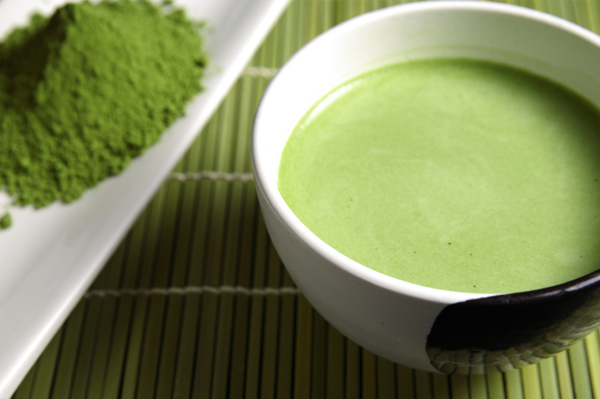
Matcha

Matcha is made out of tea cultivated in a field hidden from the direct rays of the sun for over 20 days by a straw mesh. After the tea buds are steamed and dried, the greens are separated from the veins to make
tencha, and then the
tencha is ground in a hand-operated stone mill to create the fine powder we enjoy as
matcha. Grown in a dim environment,
matcha has limited astringency and contains high amounts of theanine, which gives it a rich, full-bodied flavor. When making
matcha, add water of about 80 degrees to the tea and whisk it with a
chasen.
Genmaicha

Genmaicha is created by mixing well-roasted brown rice with
sencha or
bancha (the larger fresh tea leaves judged unsuitable for
sencha). It is most common to mix brown rice with an equally balanced
sencha or
bancha. On occasion, roasted white rice is used in place of brown rice to bring out a different flavor. Delicious
genmaicha is made by mixing the tea with boiling water and steeping it for only a short time. It is said that the relaxing properties of
genmaicha come from its plentiful vitamin B1.
Gyokuro

As with
matcha, gyokuro is also grown in a field covered with straw mesh for over 20 days. After steaming the tea buds,
gyokuro leaves are rolled and simultaneously dried.
Gyokuro is renowned as a luxurious tea with a rich flavor and strong taste. To fully enjoy its flavor, steep the tea in water heated to the comparatively low temperature of 50-60 degrees. Pour it into a small tea bowl, and then run a small amount of it back and forth over your tongue, contemplating the complexity of the taste.
Kukicha
 Kukicha
 is created from the fresh stems let over when making other teas such as
gyokuro or
sencha. Depending on the type of tea, the taste of
kukicha differs slightly. The tea's aroma is distinct and clear, and it contains a high amount of theanine. Steeping
kukicha in water heated about 80 degrees will cause it to give off a delightful smell. Among the different types of
kukicha, the ones made from the stems of
gyokuro, known as
Karigane or
Shiroare, are prized as being high-grade.
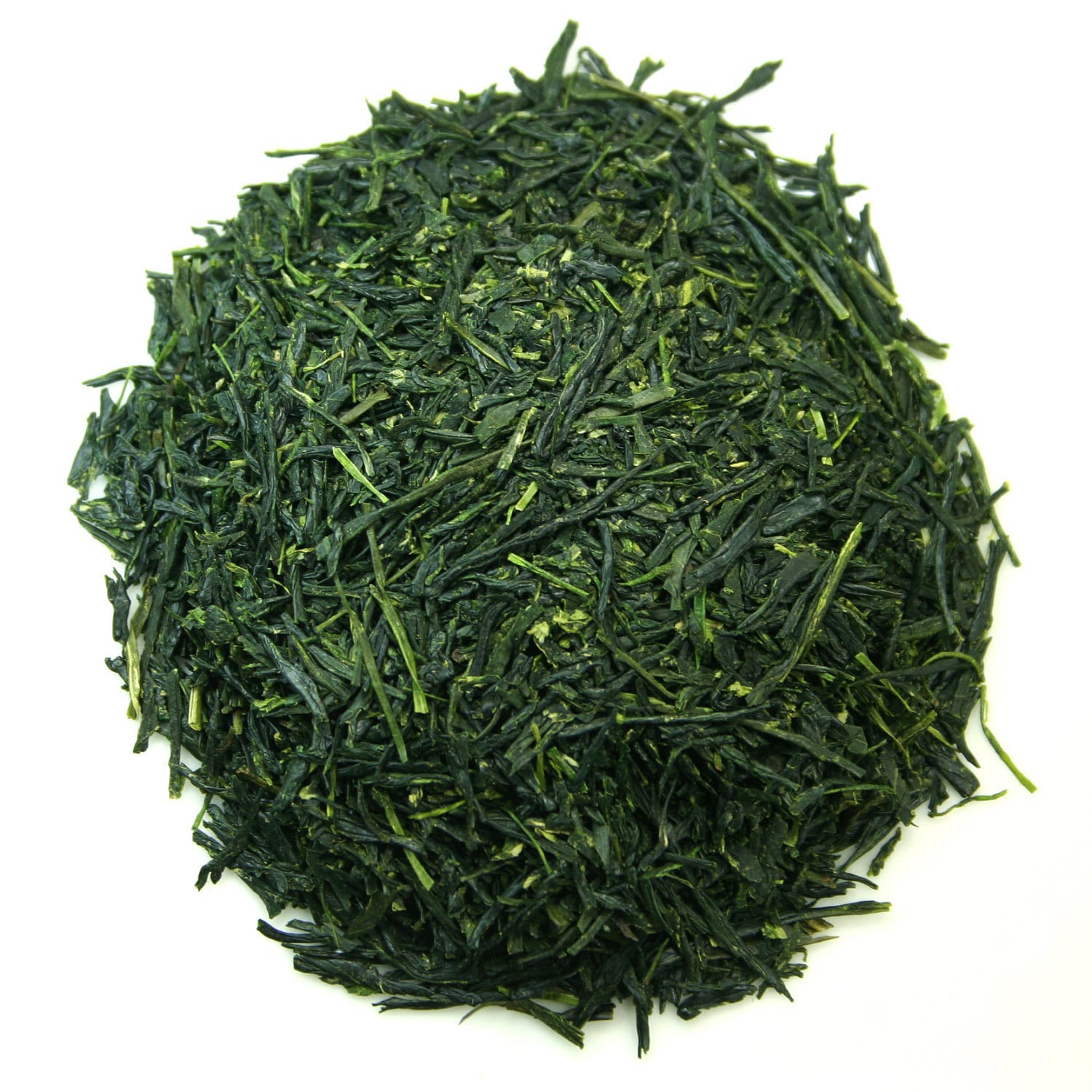
Sencha
The most well loved green tea of Japan, between 70 and 80 percent of the tea cultivated in the country is made into
sencha. Grown without any shading, it is made by steaming the fresh picked buds and rolling them while they dry. Characterized by its vibrant green color,
sencha's pleasant aroma is best brought out by steeping it in water heated to around 80 degrees. One can enjoy both the astringency and sweetness of tea in a cup of
sencha. There are many kinds of
sencha depending on the producing areas, such as
fukamushi sencha which is steamed for 1-2 minutes.
Hojicha
 Hojicha
 is made out of
sencha, kukicha and other teas bu subjecting them to extensive roasting until they change their color. This process gives
hojicha a distinct, fragrant aroma. Like
genmaicha, hojicha should be prepared by steeping it in very hot water for a short time. The roasting process through which
hojicha is made causes it to lose most of its caffeine, creating a fresh tasting tea with little bitterness and astringency. The low caffeine content also makes it suitable for the elderly and small children.
text by Uji Yumiko on The Essence of Tea
 Diawal gue bilang kalo gue belum bisa donor darah. Why? karena untuk melakukan blood donation ngga bisa sembarangan, harus memenuhi syarat seperti dibawah ini : (source : PMI)